
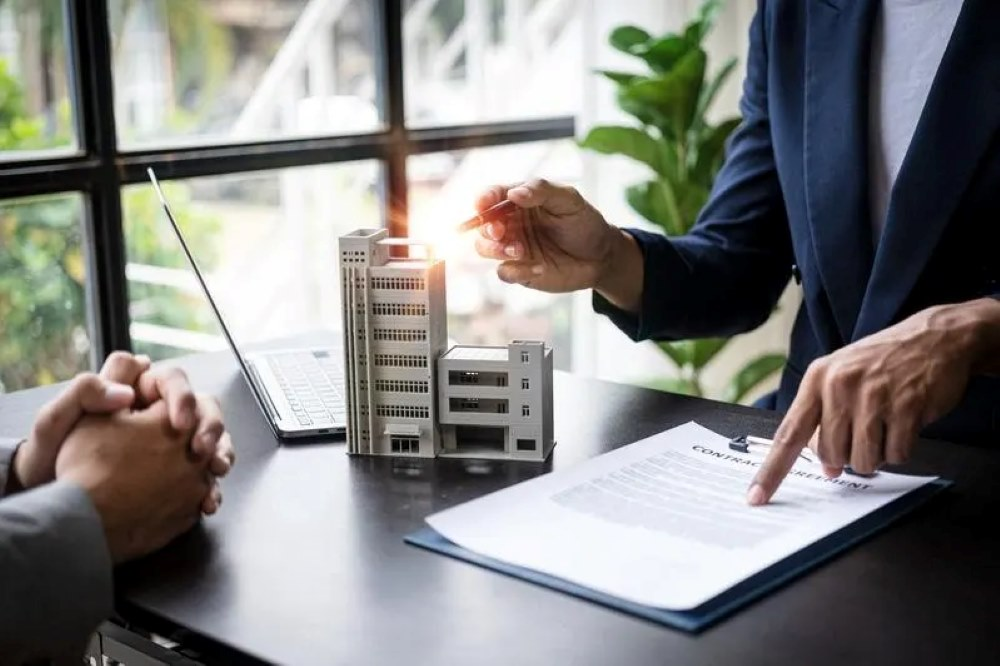

When purchasing commercial property in Canada, conducting thorough due diligence is essential to protect your investment and avoid costly surprises down the road. The process of commercial property due diligence in Canada involves verifying all aspects of the property, from legal issues to physical conditions. A commercial real estate checklist in Canada ensures you don’t miss any crucial steps in this complex process. This article outlines the most important factors to check when buying commercial property and provides helpful buying commercial property tips in Canada.
Why Due Diligence Is Crucial When Buying Commercial Property
Due diligence in commercial real estate refers to the investigative process buyers undertake before finalizing a transaction. It allows you to assess the risks and benefits of the property, ensuring that the property aligns with your business goals and financial capacity. Without proper due diligence, you risk inheriting costly liabilities, hidden repairs, and legal disputes that could affect the property’s value and your investment return.
Key Items to Verify on Your Commercial Property Checklist
1. Legal and Title Verification
One of the first things you should confirm is the legal status of the property. Ensure that the seller holds the title to the property and has the authority to sell it. You should also verify that there are no outstanding liens, legal disputes, or unpaid property taxes. You can conduct a title search through the local land registry or hire a lawyer to assist you in reviewing the legal documentation.
Commercial property due diligence in Canada also includes checking zoning laws. Verify that the property is zoned for your intended use, as this can affect everything from renovations to operations.
2. Environmental and Environmental Hazards
Before purchasing commercial property, it’s essential to assess the environmental risks associated with it. This could include conducting environmental assessments to check for contamination or hazardous materials such as asbestos, lead paint, or underground storage tanks. A commercial property inspection checklist should include these aspects to ensure compliance with Canadian environmental regulations and avoid future cleanup costs.
3. Property Condition and Inspections
A thorough commercial property inspection checklist should include an evaluation of the property’s physical condition. Hire qualified inspectors to examine the building’s structure, plumbing, electrical systems, HVAC, and foundation. Ensure there are no hidden issues that could affect the property’s usability, such as water damage, structural cracks, or roofing problems.
Consider bringing in specialists to assess other areas like fire safety systems, accessibility compliance, and pest control. This step could save you from unexpected repair costs and help you negotiate a better price if issues are discovered.
4. Financials and Lease Agreements
Reviewing the financial performance of the property is another critical step. Examine the property’s income and expenses, including any existing lease agreements. Check whether the current tenants have a history of paying rent on time and if the lease terms are favorable to you as the new owner.
If the property is fully leased, you should verify lease expiration dates, rent increases, and tenant obligations. Understanding the income stream and any potential issues with existing tenants is crucial when assessing the return on investment (ROI).
5. Insurance and Liability Coverage
Ensure the property is adequately insured and that you understand any potential liabilities associated with it. Check the existing insurance policies and make sure they cover any risks you might face as the new owner. It’s important to confirm that the property meets safety standards and local building codes. You may also want to contact an insurance broker to ensure you obtain the correct coverage once you take ownership.
6. Building Code and Compliance
Building code compliance is an important part of buying commercial property in Canada. Verify that the property adheres to local building codes, safety regulations, and accessibility laws. This is especially important if you plan on making any renovations or changes to the property. If the building does not meet these standards, you may face expensive upgrades or be required to bring the property into compliance.
7. Market Analysis and Property Valuation
Performing a market analysis can give you insight into the property’s value relative to similar properties in the area. Research local market trends, including property values, rental rates, and future growth projections. Hire a professional appraiser to provide an accurate valuation of the property to ensure you are not overpaying.
8. Exit Strategy and Resale Value
Lastly, consider your long-term goals for the property. What is your exit strategy? Will you hold the property for the long term, or do you intend to resell it at a later date? Ensure the property has strong resale potential. Market conditions, location, and future developments in the area will affect the property’s future value. By planning your exit strategy, you can make a more informed decision about the purchase.
FAQ’s
Q1. What is due diligence in commercial real estate?
A: Due diligence in commercial real estate is the process of thoroughly investigating a property before completing a purchase. It includes verifying legal title, assessing the property’s physical condition, reviewing financials, and ensuring compliance with zoning and environmental regulations.
Q2. How long does due diligence take for a commercial property in Canada?
A: The due diligence process for commercial property in Canada typically takes between 30 to 60 days, depending on the complexity of the property, the number of inspections needed, and the time required to gather all necessary documentation.
Q3. What should I inspect before buying a commercial property?
A: Before buying a commercial property, you should inspect the building’s physical condition (structure, plumbing, electrical systems), review legal documents (title, zoning, lease agreements), assess environmental risks, and evaluate the property’s financial performance.
Q4. What are the biggest mistakes buyers make in commercial real estate?
A: Some of the most common mistakes buyers make in commercial real estate include failing to conduct thorough due diligence, not budgeting for necessary repairs, overpaying for the property, and neglecting to evaluate market conditions and long-term investment potential.



Leave a Reply
You must be logged in to post a comment.