
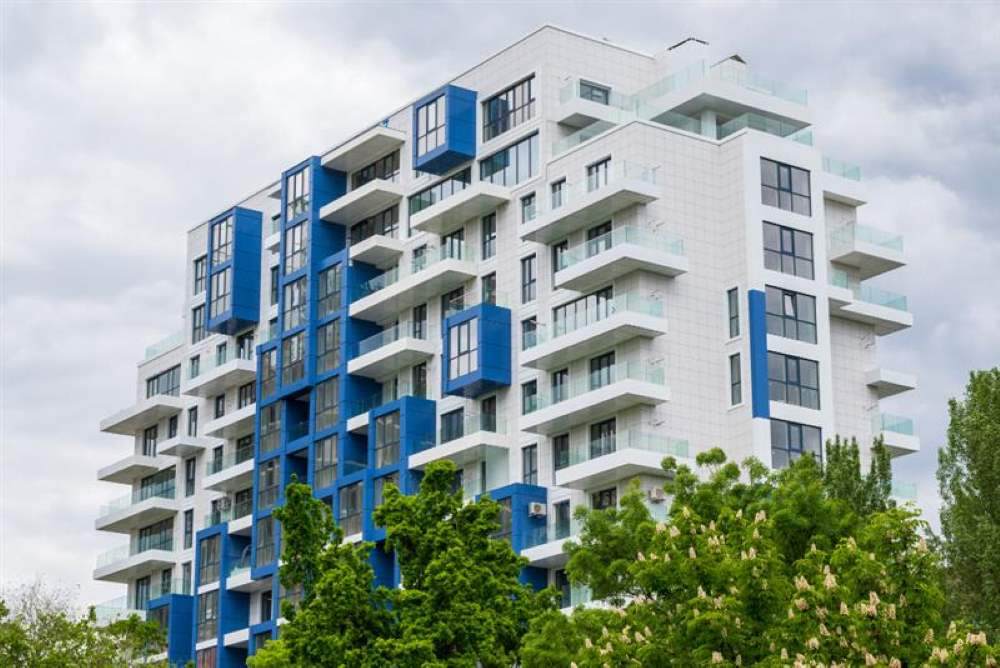

Toronto’s skyline is filled with modern high-rises, making condo living one of the most popular housing choices in the city. For first-time buyers, investors, and downsizers alike, Toronto condos offer convenience, amenities, and prime urban locations. However, buying a unit is not the same as purchasing a detached home. Condo ownership comes with shared responsibilities, monthly costs, and building regulations that every buyer should understand.
If you are considering buying a condo, Toronto residents love it for its lifestyle benefits, it is important to look beyond the listing price. Condo fees Toronto buildings charge, along with condo rules Ontario properties enforce, can significantly impact your experience and budget. This guide walks you through what to evaluate before making an offer.
Why Toronto Condos Are So Popular
Many people choose Toronto condos because they offer low-maintenance living in the heart of the city. You often get access to amenities like gyms, pools, security, and concierge services without the upkeep of a house.
For young professionals, condos provide easy access to work and transit. For retirees or small families, they offer safety and simplicity. However, convenience comes with shared costs and restrictions. That is why buying a condo Toronto buyers should approach carefully requires more research than many expect.
Understanding how fees, bylaws, and building management work will help you avoid surprises after moving in.
Understanding Condo Fees Toronto Buyers Must Budget For
One of the biggest differences between houses and Toronto condos is the monthly maintenance fee. Condo fees Toronto owners pay cover shared building expenses such as cleaning, repairs, landscaping, security, and sometimes utilities.
Fees vary depending on the building’s age, size, and amenities. A luxury tower with a pool, gym, and concierge will typically charge higher fees than a small, older building with fewer services.
When buying a condo,o Toronto buyers should not simply look for the lowest fee. Extremely low fees can be a red flag if the building is underfunded. Poorly funded condos may face special assessments later, meaning owners must pay large one-time charges for repairs.
Instead, look for reasonable condo fees Toronto buildings use to maintain the property properly while keeping the reserve fund healthy. Balanced finances often indicate good management and fewer unexpected costs.
What Condo Fees Typically Cover
Understanding what you get for your money is just as important as the amount you pay. Most condo fees Toronto owners contribute go toward building insurance, maintenance of common areas, snow removal, garbage collection, and repairs.
Some buildings include heat, water, or even internet. Others charge these separately. Always review what is included so you can calculate your true monthly expenses.
Ask for the status certificate, which outlines the building’s financial health, reserve fund, and any planned increases. This document is essential when buying a condthat o Toronto buyers want to feel confident about.
Know the Condo Rules Ontario Buildings Enforce
Another key factor to consider is the set of bylaws and policies that govern daily life. Condo rules Ontario properties follow are legally binding and can affect how you use your unit.
Some buildings restrict short-term rentals, pets, or renovations. Others may limit noise levels, balcony use, or parking arrangements. These rules are designed to maintain order and protect residents, but they may not suit everyone’s lifestyle.
Before committing to Toronto condos, read the declaration and rules carefully. For example, if you plan to rent out your unit, confirm that the building allows rentals. If you have pets, check size or breed restrictions.
Understanding condo rules Ontario residents must follow prevents frustration later.
What to Check Before Buying
Beyond fees and rules, there are several practical checks you should make when exploring Toronto condos.
Start with the building’s age and condition. Older buildings may require more repairs, while newer ones may still be under warranty. Look for signs of good maintenance in hallways, elevators, and common spaces.
Next, evaluate the management company. Strong management keeps operations smooth and finances stable. Poor management can lead to rising condo fee;, and Toronto owners struggle with unresolved issues.
Also, review the reserve fund study. This report estimates future repair costs and shows whether the building has enough savings. A healthy reserve fund reduces the chance of surprise assessments.
Inside the unit, inspect appliances, plumbing, windows, and noise levels. Living in close quarters means soundproofing and layout matter more than you might expect.
Finally, consider location. Proximity to transit, grocery stores, and schools adds long-term value, especially when buying a condoin Toronto’s competitive market.
Working with Professionals Helps
Buying a condo involves legal documents and financial reviews that can feel overwhelming. A real estate agent experienced with Toronto condos and a lawyer familiar with condo rules and Ontario regulations can guide you through the process.
They can help analyze status certificates, explain condo fees in Toronto structures, and flag potential issues. Professional advice often saves money and prevents costly mistakes.
Making a Smart Condo Purchase
Toronto condos offer fantastic lifestyle benefits, but informed decisions are key. By carefully reviewing fees, understanding regulations, and inspecting the building’s health, you can choose a property that fits both your budget and lifestyle.
Taking the time to research before buying a condo that Toronto residents truly enjoy will help you avoid surprises and feel confident in your investment.
Frequently Asked Questions
Q1. What is a good condo fee in Toronto?
A: A good condo fee depends on the building and amenities, but many condo fees Toronto owners pay range between $0.50 and $0.80 per square foot. The key is ensuring the fee supports proper maintenance and a healthy reserve fund rather than simply being low.
Q2. What should I look for when buying a condo?
A: When buying a condo, Toronto buyers should review the status certificate, reserve fund, building condition, management quality, condo fees Toronto charges, and condo rules Ontario policies. These factors help determine whether the property is financially stable and suitable for your lifestyle.

Leave a Reply
You must be logged in to post a comment.